November 17, 2023
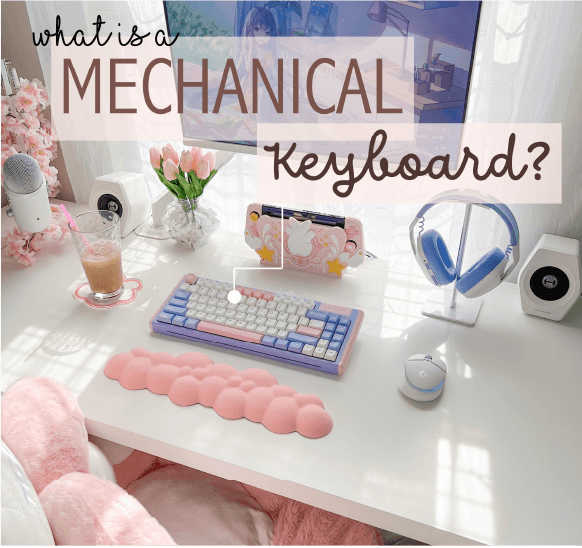
Source: @momodokii
Mechanical keyboards have gained significant popularity among users seeking a customized typing and gaming experience. Unlike traditional keyboards, mechanical keyboards allow for personalized customization and are more durable and easier to repair. In this blog post, we’ll explore what exactly a mechanical keyboard is and delve into its unique functions.
Understanding the Basics
A mechanical keyboard is a type of keyboard that utilizes individual mechanical switches for each key. Unlike traditional membrane keyboards, which use a pressure pad under the keys, mechanical keyboards employ a physical switch mechanism beneath each keycap. This design contributes to the distinctive tactile feedback and audible click associated with mechanical keyboards. It sounds confusing, but let’s break down the pieces of a mechanical keyboard to give you a clearer understanding.
Key Components
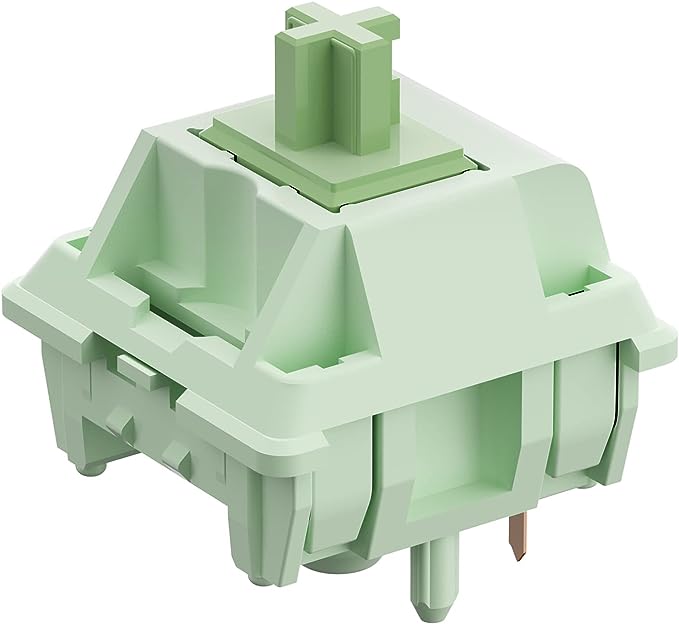
- Switches: The heart of any mechanical keyboard lies in its switches. These switches determine how each key responds to the user’s input. Some levels include analog (most responsive), clicky (klac-klac), or linear (quite key strokes). There are various types of mechanical switches, such as Cherry MX, Razer, and Romer-G, each offering a unique feel and actuation force Some switches are designed for typing comfort, while others cater to the demands of gaming.
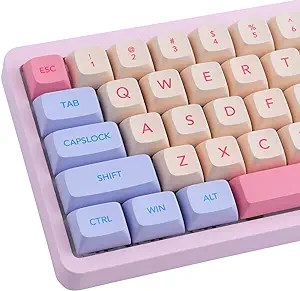
- Keycaps: Mechanical keyboards often feature keycaps made of high-quality materials, such as double-shot ABS or PBT plastic. These keycaps are more durable than those on membrane keyboards and can withstand extended use without losing their texture or legends. Keycaps are the visual customization aspect to the keyboard, allowing you to fit your keyboard in with your gaming aesthetic.
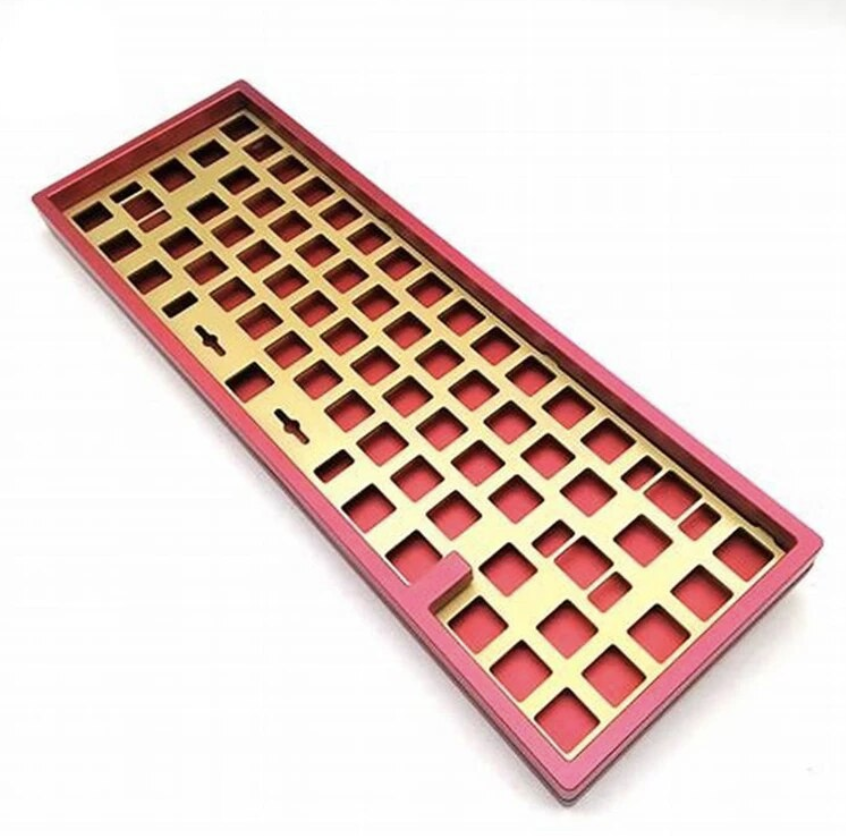
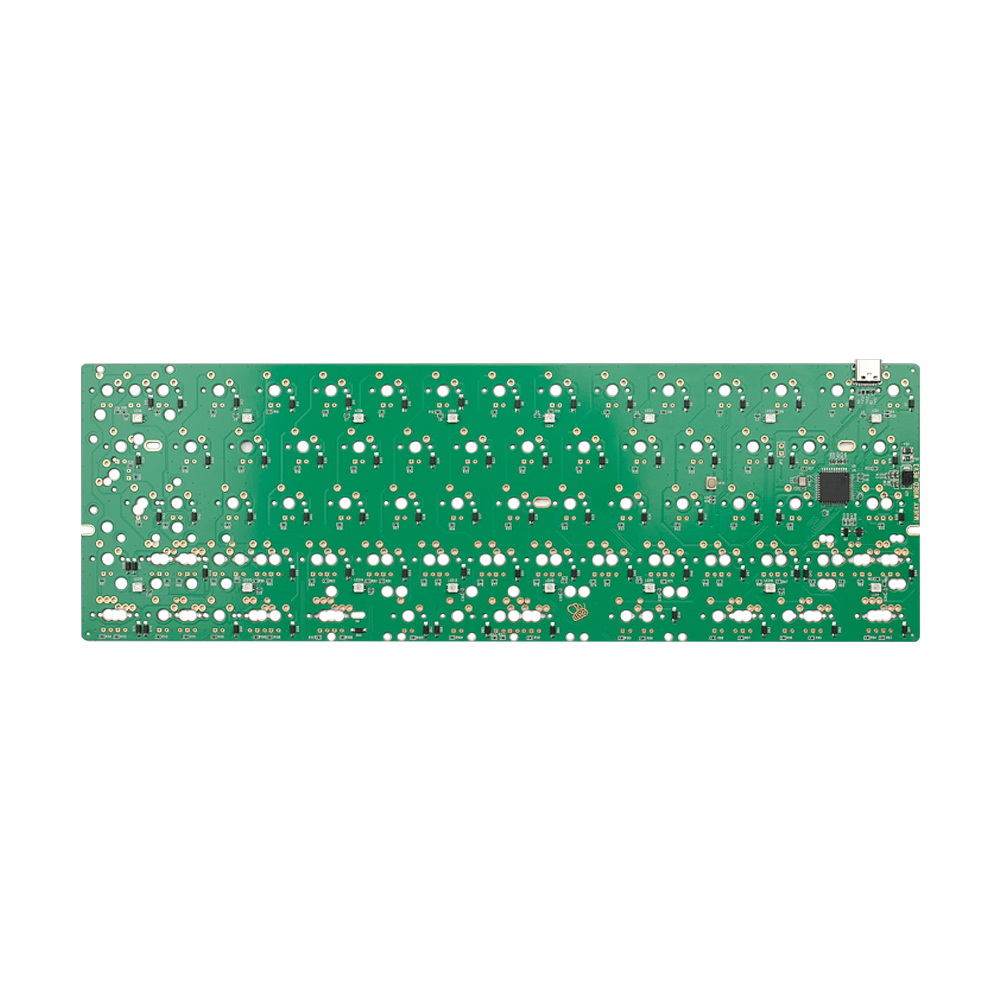
- Backplate and PCB: The backplate provides stability to the keyboard, preventing key wobbling and ensuring consistent performance. The Printed Circuit Board (PCB) is the electronic component that connects the switches and transmits signals to the computer.
Functions and Advantages
- Tactile Feedback: Mechanical keyboards are known for their tactile feedback, which provides users with a distinct sensation when a key is pressed. This tactile response allows for more accurate typing, as users can feel when a key has been activated.
- Customizability: Many mechanical keyboards are highly customizable, allowing users to swap out keycaps, modify switches, and even create unique layouts. This level of customization caters to individual preferences and needs, making mechanical keyboards a versatile option for a wide range of users.
- Durability: Mechanical keyboards are built to last. The individual switches have a longer lifespan compared to traditional membrane keyboards, often rated for tens of millions of keystrokes. This durability ensures that your investment in a mechanical keyboard pays off over the long term.
- N-Key Rollover and Anti-Ghosting: Mechanical keyboards often support N-Key Rollover and anti-ghosting features, which are crucial for gaming. N-Key Rollover allows users to press multiple keys simultaneously without “dropping” any inputs, while anti-ghosting ensures that all key presses are accurately registered, even during rapid and complex key combinations.
There are various types of mechanical keyboard sets, sold by popular brands such as Royal Kludge, Razer, and Logitech. Mechanical keyboards offer a unique and satisfying typing experience that sets them apart from other keyboard types. The combination of tactile feedback, durability, and customization options makes them a popular choice for both professional typists and gamers alike. As technology continues to advance, we can expect even more innovations in the realm of mechanical keyboards, further enhancing the user experience and solidifying their place in all gaming and desk setups.
 Her Space
Leave a comment